

Why Authentic Home-Cooked Indian Food Is Winning Hearts in Singapore (And Where to Find It)
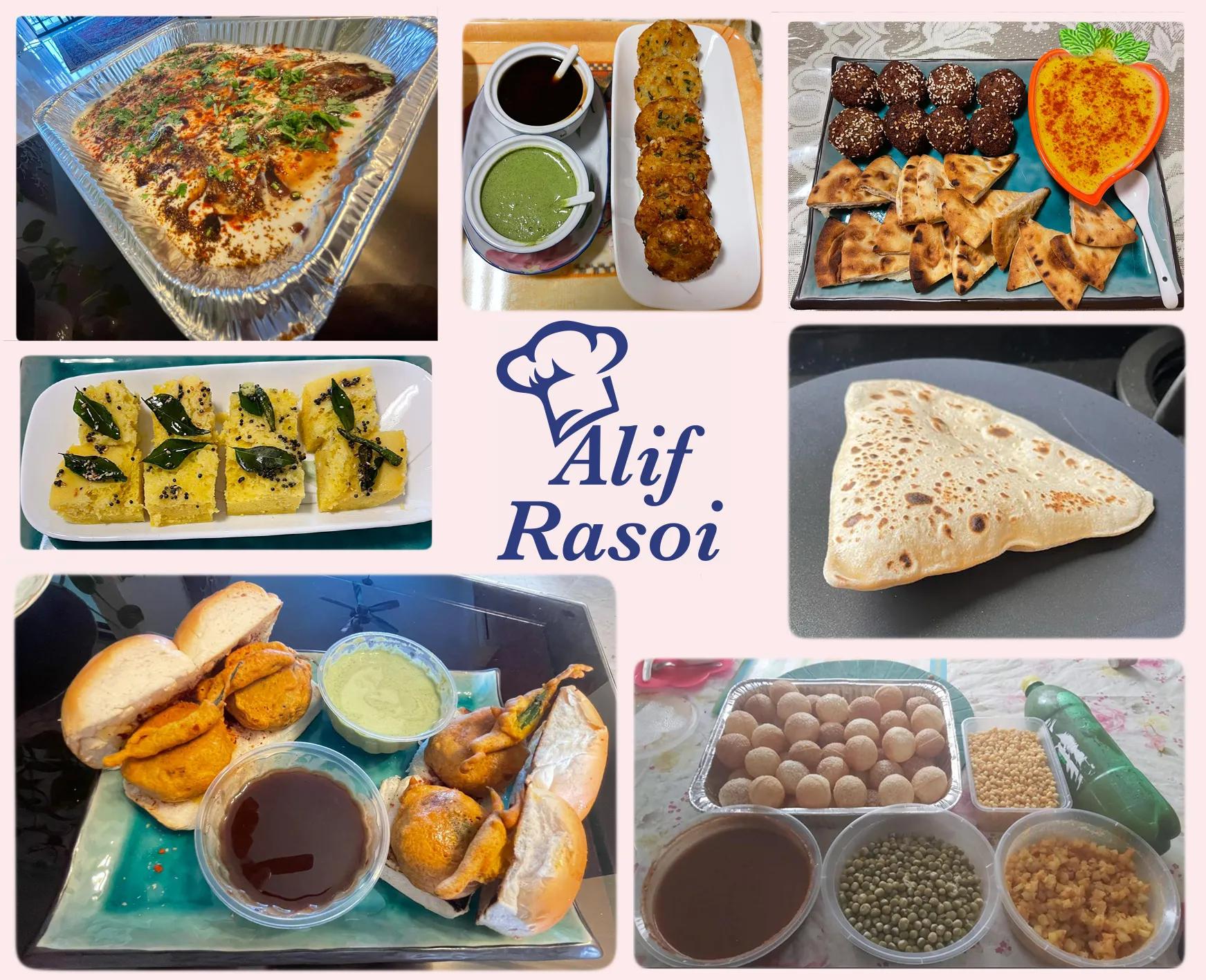
There's a particular magic that happens when a dish is made by someone who learned to cook it from their grandmother. No restaurant shortcut, no pre-mixed masala packet, no reheated batch from two days ago — just a family recipe, the right hands, and the muscle memory of decades. In Singapore's vibrant and diverse food scene, that kind of authenticity is rare. And yet, tucked away in a home kitchen in Queenstown, Alif Rasoi has been quietly delivering exactly that since 2021.
If you've been searching for real Indian food in Singapore — not the kind that's been adapted to a generic palate, but the kind that tastes like somebody's nani made it — you're in the right place. This article explores why home-style Indian cooking is having a moment in Singapore, what makes the Indian food scene here so special, and how to find (and order) the best of it, from Indian snacks in Singapore to full catering spreads.
The Rise of Authentic Indian Food in Singapore
Singapore is one of Asia's most food-obsessed cities. With over 110 nationalities calling the island home, the food landscape reflects an extraordinary diversity — and Indian cuisine has long been a beloved cornerstone of it. But in recent years, a quiet shift has been underway.
Diners are moving away from generic "curry house" food and seeking something more personal. According to a 2023 survey by the Singapore Tourism Board, food authenticity ranked as the number one factor for repeat visits to food establishments among both locals and expatriates. People don't just want to eat — they want a story on the plate.
This has opened the door for home-based cooks and small artisan kitchens to thrive. When someone offers catering Singapore Indian food that comes straight from a family kitchen, cooked in small batches on the morning of delivery, it stands apart from everything a commercial restaurant can offer.
What Makes Home-Cooked Indian Food Different?
Small Batches Mean Better Quality
Commercial kitchens scale for volume. That means sauces are made days in advance, dough is refrigerated in bulk, and the final product is reheated rather than freshly cooked. A home kitchen simply can't operate that way — and that limitation is, paradoxically, its greatest strength.
At Alif Rasoi, every dish is made the morning of your order. The pani puri shells are fried fresh. The dhokla is steamed the same day. The biryani is layered and sealed from scratch. When food is made this way, you taste the difference immediately.
Recipes Passed Down Through Generations
When Alifiya — the home cook behind Alif Rasoi — describes learning to cook in her grandmother's kitchen in Mumbai, she recalls a woman who never measured anything. A pinch of this, a fist of that, taste, adjust. Those are not instructions you'll find in any recipe book. They're embodied knowledge, developed over decades and passed down across generations.
The recipes at Alif Rasoi haven't been written down for three generations — and they don't need to be. That's precisely what makes them irreplaceable.
Vegetarian Food Done Properly
Indian vegetarian cuisine is one of the richest culinary traditions in the world, yet it's often reduced to a few token dishes on a restaurant menu. A home kitchen specialising in vegetarian Indian food can devote the full range of its creativity to the cuisine — and the results speak for themselves.
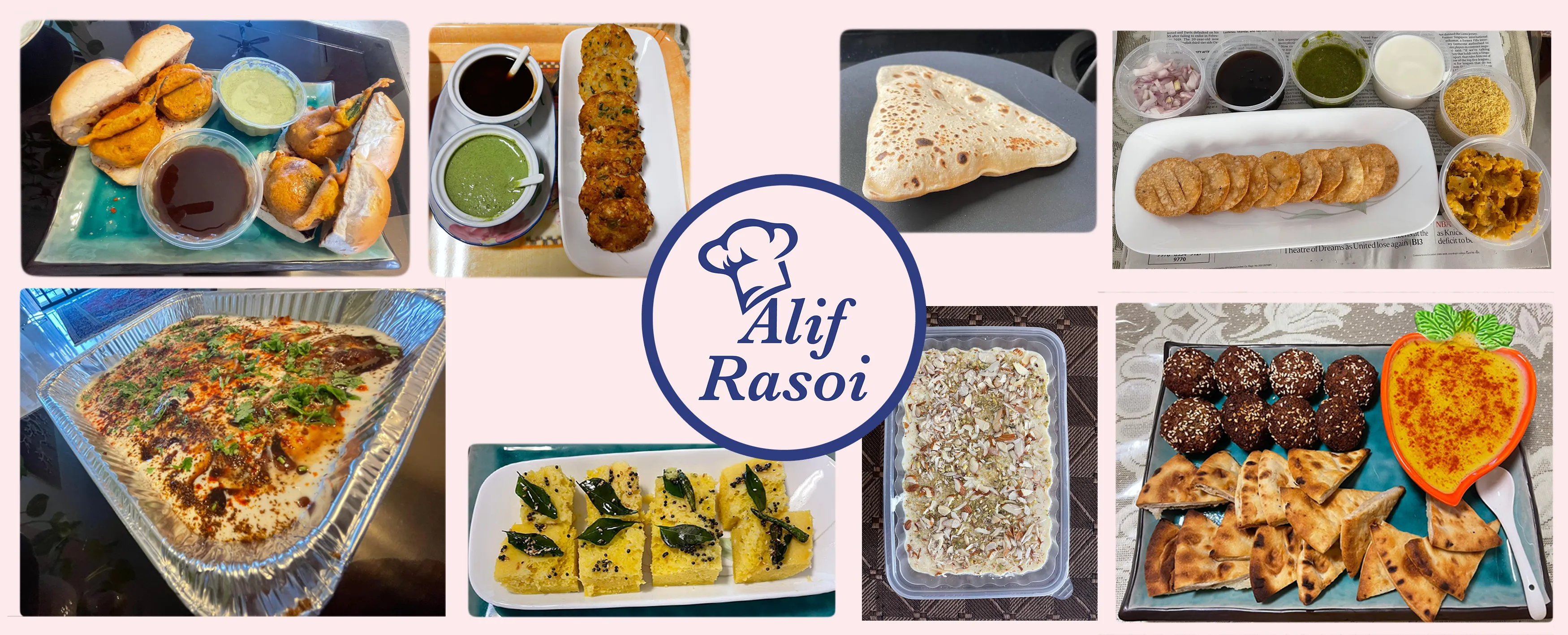
Alif Rasoi's vegetarian menu spans chaat, street food, mains, rice dishes, wraps, and desserts. From palak paneer to ragda pattice, from hara bhara kebab to kadhi pakora, each dish is given the full attention it deserves. For vegetarians in Singapore who are tired of limited options, this is a revelation.
A Guide to the Best Indian Snacks in Singapore
Indian snacks — collectively called chaat or nashta — are among the most exciting and layered foods in the world. They're sour, sweet, spicy, crunchy, and soft all at once, often within a single bite. Here's a guide to the ones worth seeking out.
Pani Puri: The Ultimate Street Food Experience
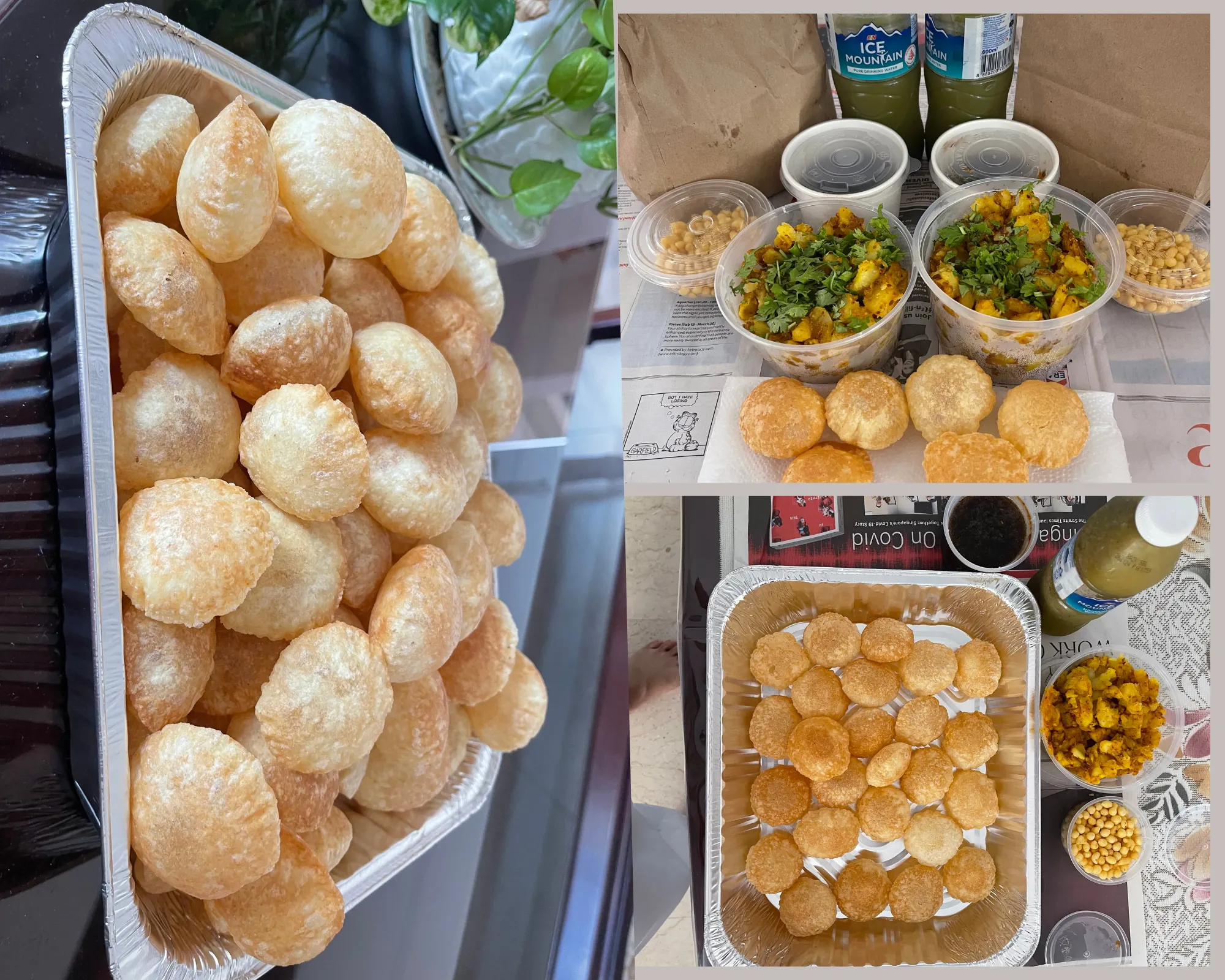
If there's one Indian snack that captures everything thrilling about street food, it's pani puri. Hollow crispy shells, filled with spiced mashed potato or chickpeas, dunked in a tangy, minty spiced water, and eaten in one go. It's chaotic, messy, and absolutely addictive.
Finding good pani puri delivery Singapore is harder than it sounds. The shells need to be crispy, not soggy. The pani needs to be balanced — sour from tamarind, cool from mint, with a kick of green chilli. Alif Rasoi's Pani Puri Set ($25) comes with freshly fried shells and all the accompaniments, made the morning of your order. It's the kind of thing you'd queue for on a Mumbai street corner, now delivered to your door in Singapore.
Papdi Chaat
Crispy flour wafers layered with yoghurt, chutneys, boiled chickpeas, and sev. Papdi chaat is the queen of the chaat world — a dish of textures and contrasts. The trick is in the balance of the chutneys: tamarind for sourness and sweetness, green chutney for freshness, yoghurt for cooling. When it's done well, every element tastes like it was made specifically to complement every other.
Dahi Vada
Soft lentil fritters, soaked until pillowy, served beneath cool yoghurt and a drizzle of chutneys. Dahi vada is comfort food in its purest form — and one of the hardest dishes to get right when scaled for a restaurant setting. Made fresh from scratch, the difference is immediate. The fritter should melt in your mouth, not hold the texture of something fried hours ago.
Dhokla Khaman
Steamed chickpea flour cakes, light and slightly spongy, tempered with mustard seeds, curry leaves, and a little sweetness. Dhokla is a Gujarati classic that somehow manages to feel both hearty and delicate at the same time. Alif Rasoi offers it in both yellow (Khaman) and white (Suji) varieties, in sizes that suit individual orders and catering alike.
Mini Samosas and Vada Pav
No list of Indian snacks Singapore food lovers should know would be complete without the samosa — the universal ambassador of Indian street food. Alif Rasoi's mini samosas are hand-folded and freshly fried, at just $1.70 each. The Mumbai Vada Pav, meanwhile, is a fried potato fritter tucked into a soft bread roll with spiced chutneys: India's answer to the burger, and arguably the better version.
Planning Indian Food Catering in Singapore: What You Need to Know
Whether you're planning a corporate event, a community gathering, a birthday celebration, or a festive occasion, best Indian food catering Singapore can offer starts with finding someone who treats the food as personally as a home cook would. Here's how to do it right.
Why Choose a Home Kitchen for Catering?
The instinct for larger events is often to go with a large commercial caterer. But for smaller to mid-sized gatherings, a home kitchen can offer something a commercial operation simply cannot: food that tastes genuinely home-made, because it genuinely is.
When you order catering Singapore Indian food from Alif Rasoi, you're getting dishes made by the same hands that cook for the family — scaled thoughtfully, but never compromised. Every catering order is prepared with at least 24 hours' advance notice, ensuring everything arrives fresh rather than reheated.
Building the Perfect Indian Catering Spread
The best Indian catering spreads offer variety across flavour profiles — something fried and savoury, something tangy, something sweet. Here's a practical framework:
Starters and Snacks: Mini samosas, onion pakora, paneer tikka, hara bhara kebab, veg momos. These are crowd-pleasers that work across dietary requirements and suit guests who are grazing.
Chaat Station: A pani puri set or papdi chaat set creates an interactive, festive element that guests love. People can assemble their own — it becomes a conversation starter at any event, and it signals that the food comes from someone who takes it seriously.
Mains: Chole (spiced chickpeas), palak paneer, mattar paneer, or kadhi pakora, served with freshly made roti, paratha, or puri. These are the dishes that anchor a meal and satisfy the most guests.
Rice: Chicken biryani or veg biryani/pulao for those who prefer a rice-based meal. A well-made biryani — layered, slow-cooked, fragrant with whole spices — is a statement dish at any gathering.
Desserts: Gulab jamun, rasmalai, rice kheer, or bread halwa round out the experience with something sweet and traditional.
Practical Tips for Ordering Indian Catering
Plan ahead. The best home-based caterers require advance notice — typically at least 24 hours, often more for larger orders. Booking early gives the kitchen time to source ingredients and prepare properly.
Communicate dietary needs clearly. Indian cuisine is naturally rich in vegetarian options, but be specific about allergens, spice levels, and whether certain ingredients (like garlic or onion) need to be avoided for religious or dietary reasons.
Consider the format. Will guests be sitting for a meal or grazing at a party? Finger foods and chaat work beautifully for a standing reception; mains and rice dishes suit a seated dinner.
Ask about logistics. Alif Rasoi arranges Grab or Lalamove delivery on request, charged at cost — practical for those who can't self-collect from Queenstown.
The Story Behind Alif Rasoi
Understanding the food means understanding where it comes from. Alif Rasoi is run by Alifiya, a home cook based in Queenstown, Singapore. She grew up in Mumbai, learning to cook at her grandmother Zainab's side — steaming dhokla in steel plates, making biryani sealed with dough for Eid, rolling theplas by hand before dawn.
When she started Alif Rasoi in 2021, it wasn't a commercial calculation — it was a continuation of a three-generation family tradition. She cooks the food she grew up with, in the way she learned to cook it, for people who appreciate that kind of honesty in a meal.
The kitchen holds a 4.9-star rating across 32 reviews. Customers consistently mention not just the quality of the food, but the feeling of receiving something personal and thoughtfully made — the opposite of generic takeaway.
Final Thoughts: Why Authentic Matters
In a city where you can eat almost anything from almost anywhere, the most meaningful food experiences are the ones that feel real. Eating food made that same morning, by someone who learned the recipe from their grandmother, in a kitchen that doubles as a family home — that's not something you can manufacture at scale.